Australia
Algae Bloom in South Australia Still Going Strong – What Is Being Done?
Algal Bloom crisis in South Australia continues to wreak havoc on maritime industry, Albanese under fire for slow response

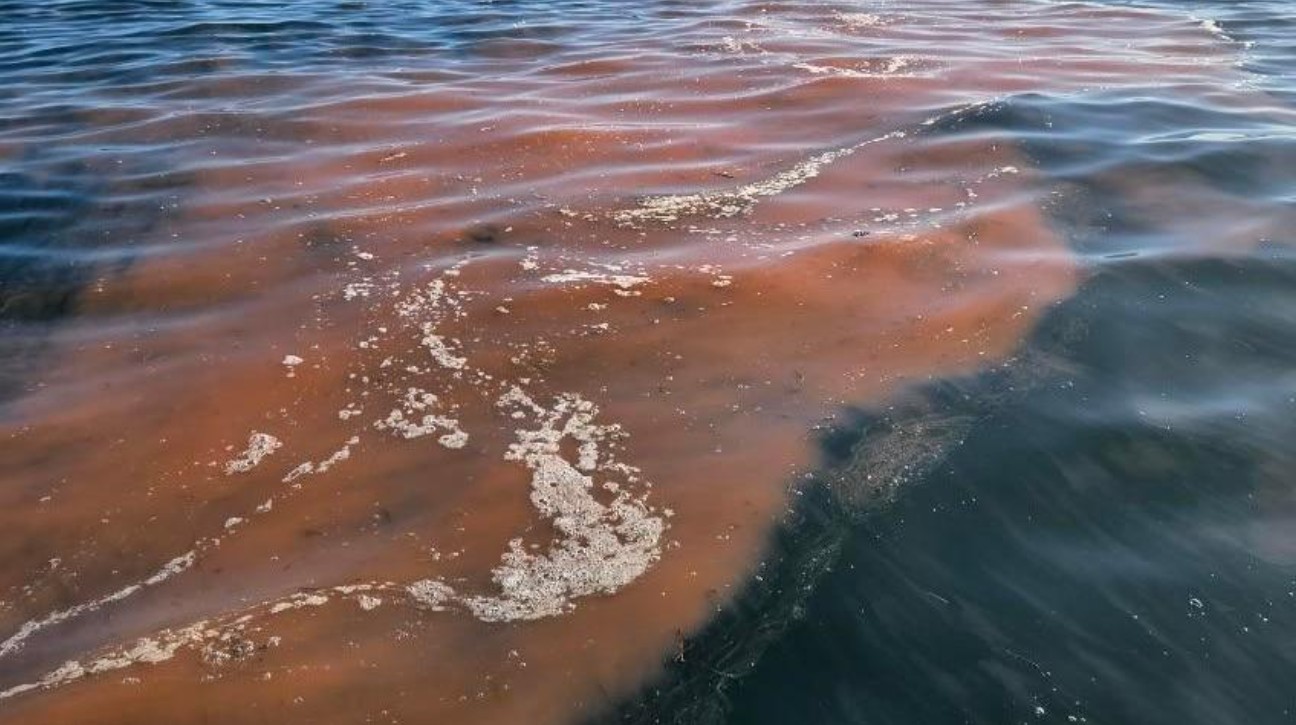

Earlier this year, the first sightings of an algal bloom were reported near beaches in South Australia. It has continued to grow and affect marine life in the area, prompting concern from the local communities and environmental groups. Recently, it has grown serious enough to attract the notice of the Australian government.
An algal bloom is an ecological phenomenon involving the rapid growth of algae in a greater density and wider area than normal. This is a naturally occurring phenomenon and has happened before at a smaller scale, however, this freakishly large bloom is harming marine life and related industries – including fishing and tourism.
A toxic species of algae called Karenia mikimotoi has been identified as the main contributor and has unusual characteristics helping it spread. It is poisonous to almost all forms of marine life and spreads its ‘cysts’ through both the wind and the ocean currents, as well as within the ballast water of cargo ships. It has been a plague on the Chinese maritime industry for decades and has now made its way to Australia. Several different species have been affected by the algae bloom, washing up on the shores of beaches and losing their habitats without opportunity to move.

Local councils have funded cleanups and the community has assisted with beach maintenance, but there is no end in sight. Environmental organizations have expressed concerns about how the lack of government involvement left the ecosystem to continue to spiral out of control for months.
There was a press conference on August 20th, where Prime Minister Anthony Albanese met the Premier of South Australia, Peter Malinauskas, and discussed the algal bloom as part of the agenda. The Prime Minister stated, “This is a very significant event and it’s something that requires a response.” As this was the first time the issue was addressed by the central government, press called in to question the delay in taking serious action, accusing the government of failing to respond to the issue quickly enough. The Prime Minister has, however, refused to classify the event as a natural disaster, instead calling it a ‘significant ecological event’.
“This is a very significant event and it’s something that requires a response.” -Albanese
The government has proposed a funding support package to manage the impact and has contracted Agilex Biolabs to conduct research and development on the proceedings. The algal bloom cannot completely be neutralized without a change in the weather but Agilex Biolabs has been conducting research to learn more about the effects and reassure the public of food safety. In addition, as part of the support package, there will be financial support provided for local industries and communities to deal with clean up and food safety as well as awareness campaigns. Scientists in the field are hoping to see an improvement in weather and activity among organisms that eat algae in order to halt the spread and reduce the effects of the bloom.
Sources:
- Baker, Janine. “South Australia’s harmful Algal Bloom – What We Know, What We’re Learning”. Great Southern Reef. https://greatsouthernreef.com/2025-algal-bloom
- Government of South Australia – Department of Primary Industries and Regions. Algal bloom situation update. August, 2025. https://pir.sa.gov.au/sardi/aquatic_sciences/marine_ecosystems/algal_bloom
- Haynes, Jessica. “What is happening with SA’s algal bloom and why should the rest of Australia care?”. ABC News, July 23, 2025. https://www.abc.net.au/news/2025-07-23/sa-toxic-algal-bloom-explained/105560008
- Keane, Daniel, Rachael Merrit and Josh Brine. “Calls for South Australia’s algal bloom to be declared national disaster, as ‘algal war’ erupts”. ABC News, July 7, 2025. https://www.abc.net.au/news/2025-07-07/algal-bloom-prompts-national-disaster-call/105501978
- Prime Minister of Australia. Press conference – Adelaide. August 20, 2025. https://www.pm.gov.au/media/press-conference-adelaide-6
- Shepherd, Tory. “Over 11 gruesome kilometres, teams fill bag after bag of marine life killed by SA’s stubborn algal bloom”. The Guardian, August 29, 2025. https://www.theguardian.com/environment/2025/aug/28/over-11-gruesome-kilometres-teams-fill-bag-after-bag-of-marine-life-killed-by-sas-stubborn-algal-bloom
Discover more from Signal News Sydney
Subscribe to get the latest posts sent to your email.