Society
Australia’s Growing Drowning Problem: Could Better Aquatic Infrastructure Help?
Australia records its highest drowning toll in three decades, exposing failures in swimming skills and aquatic infrastructure, prompting urgent calls for design-driven solutions.

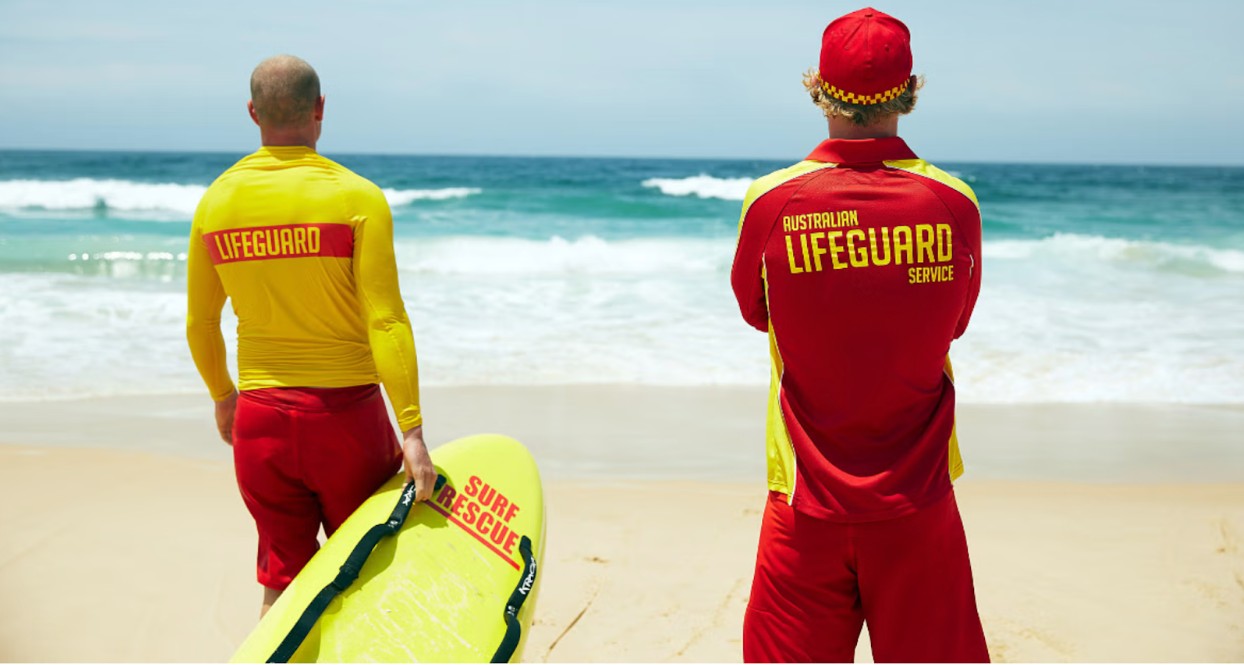
Australia is confronting its worst drowning toll in three decades, with 357 deaths recorded between July 2024 and June 2025. This figure, released in the 2025 National Drowning Report, represents a 27% surge above the ten-year average and serves to underline an urgent public safety crisis and the structural failures behind it.
Coastal environments are the deadliest areas in Australia. Nearly half of fatalities occurred at beaches, ocean, or rocks, where rip currents – strong, localised and narrow currents of water that move directly away from the shore, cutting through the lines of breaking waves – have and are still killing more Australians each year than sharks, floods, or cyclones combined, according to Surf Life Saving Australia chief executive Adam Weir.
“Rip currents are Australia’s number one coastal hazard, responsible for more than one in three beach drowning deaths,” -Weir
While children under five saw a 20% decline in drowning deaths, due to awareness campaigns and laws about ensuring that bodies of water are properly fenced off, fatalities among older Australians are soaring. One-third of the deaths were adults aged 65 and over, with those aged 75 and above recording a 63% increase to the ten-year average.
The most alarming revelation is the erosion of basic water skills. Nearly half of Year 6 students cannot swim 50 metres or tread water for two minutes – a steep decline from just a decade ago. Royal Life Saving Australia CEO Dr Justin Scarr called the national figures “a wake-up call.”
“Half of all children leave primary school unable to swim 50 metres and float for two minutes, causing lifelong risk,” -Scarr
According to experts, this is attributed to reduced access to lessons, a phenomenon that has been exacerbated by the pandemic, and the sharp inequities in aquatic infrastructure. There are very few accessible public pools in outer-suburban communities – Melton, Victoria, has just one pool serving almost 179,000 residents.
This is not an issue that can be solved simply with awareness and skills development, it is going to require improvements to the aquatic infrastructure all over Australia. With strategic placement of aquatic centres in underserved suburbs, better coastal safety installations such as flagged swimming areas, rescue equipment and multilingual signage), and age-friendly design features like accessible paths and shaded rest areas. Properly implementing these features could transform water spaces from hazards into inclusive community assets.
The Australian Water Safety Strategy 2030 and this year’s National Water Safety Summit called for urgent cross-sector action, while Federal Minister for Sport Anika Wells has pledged that the federal government will invest $34 million in water safety and drowning prevention.
“We are committed to addressing water safety by encouraging all Australians to take simple precautions around pools and waterways,” -Wells
Unfortunately, the numbers show incremental measures will not suffice. With Australians increasingly exposed to heat and coastal activity due to the ongoing climate crisis, designing public spaces for water safety must be embedded as a civic priority.
The future of Australia’s relationship with water depends on more than fences and lifeguards. It requires re-imagining the design of aquatic spaces to prioritise safety and comfort. These venues must become spaces that celebrate recreation, but first and foremost, save lives.
- Davey, M. (2025, January 3). High and dry: The suburbs of Sydney, Melbourne and Brisbane where it’s hard to find a pool. The Guardian. https://www.theguardian.com/environment/2025/jan/03/high-and-dry-the-suburbs-of-sydney-melbourne-and-brisbane-where-its-hard-to-find-a-pool
- Davey, M. (2025, March 17). Nearly half of Australia’s Year 6 students can’t swim 50 metres or tread water for two minutes. The Guardian. https://www.theguardian.com/australia-news/2025/mar/17/nearly-half-of-australias-year-6-students-cant-swim-50-metres-or-tread-water-for-two-minutes
- News.com.au. (2025, August 26). Wake-up call: Swimming skills plummet as drowning deaths rise. https://www.news.com.au/technology/environment/wakeup-call-swimming-skills-plummet-as-drowning-deaths-rise/news-story/6ac9633d3dbd0a3c662b2be246b16cb1
- Royal Life Saving Society Australia & Surf Life Saving Australia. (2025). National drowning report 2025. https://www.royallifesaving.com.au/about/news-and-updates/news/2025/aug/tragic-surge-in-drowning-deaths-prompts-urgent-call-for-action-ahead-of-summer
- Taylor, J. (2025, August 26). Australia’s drowning death toll highest since records began three decades ago. The Guardian. https://www.theguardian.com/lifeandstyle/2025/aug/26/australias-drowning-death-toll-highest-since-records-began-three-decades-ago
- Pulse Tasmania (2025, August 25). Rivers remain deadliest waters for Tasmanians despite drowning decline – Pulse Tasmania
Discover more from Signal News Sydney
Subscribe to get the latest posts sent to your email.