Politics
Albanese promises migration numbers will remain unchanged despite anti-immigration protests
Albanese stands by vision of Australia as multicultural harmony, despite fears about economic consequences

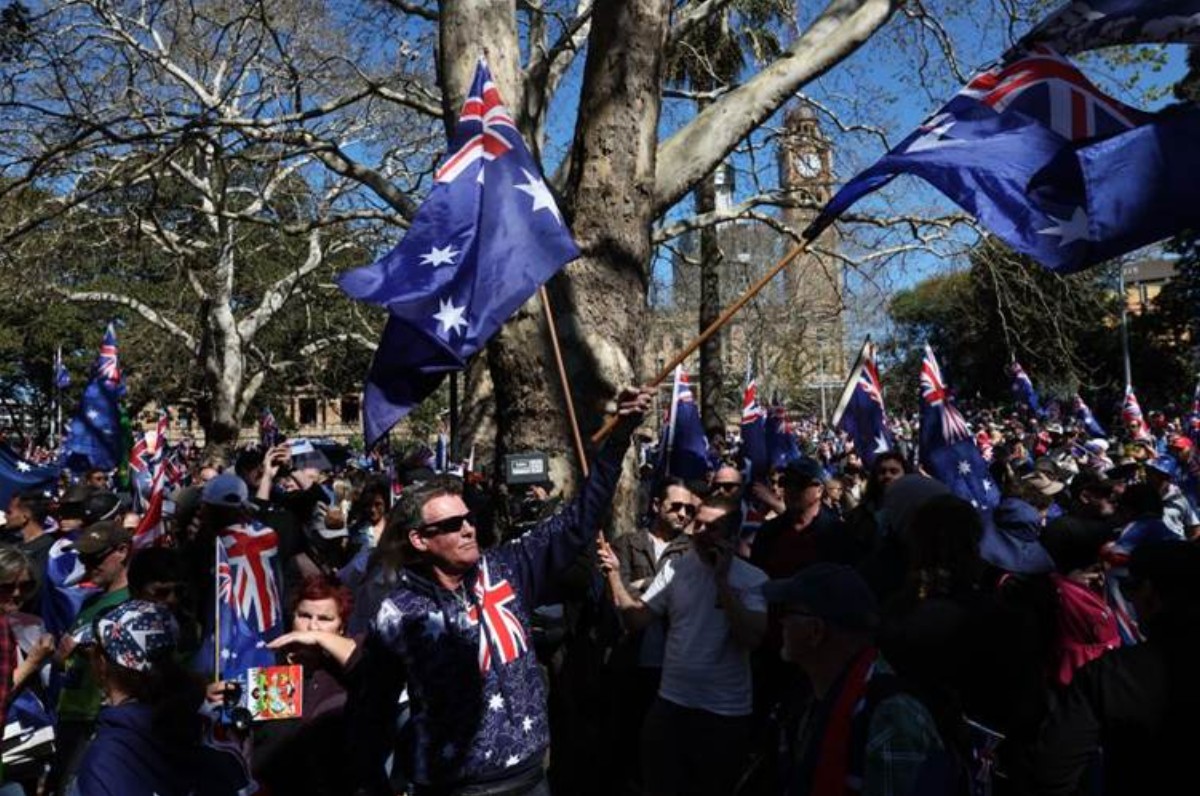
The Albanese government has confirmed that it will maintain Australia’s permanent migration intake at 185,000 for the 2025-2026 financial year, following the nationwide anti-immigration protests that occurred just days before.
Over the weekend, thousands participated in March for Australia rallies across major cities, some of which were overshadowed by neo-Nazi groups, prompting swift condemnation from Labor and other political figures.
Member for Kennedy Bob Katner supports the outcry, voicing his opposition and airing concerns about the swelling costs of continued immigration. He fears that the quantity of migrants is placing an unsustainable degree of strain on Australian infrastructure.
‘In the last two years, our population has grown by around one million people,’ -Katner
Despite demands for a reduction in migration to ease pressures on housing and public services, Home Affairs Minister Tony Burke announced the decision on Tuesday, stating it followed consultation with states and territories. This consultation recommended keeping the current size and composition of the program, with a strong focus on skilled migration.
Permanent migration includes skilled, family, and special eligibility visas, but excludes citizens, permanent residents, and temporary visa holders. While permanent migration remains steady, net overseas migration (NOM) – which includes temporary visa holders and has a more direct impact on housing and services – has been a focal point. Health Minister Mark Butler was unable to provide a specific updated figure but stated it would be “substantially less than 500,000,” down from the 2022–23 peak of over 530,000. In 2023–24, net overseas migration was 446,000, with total arrivals dropping 10% to 667,000. International students accounted for 207,000 of these arrivals. Updated figures are expected later this month.
Butler also acknowledged the tension between managing housing pressures and meeting the demands of a growing workforce, particularly in healthcare, aged care, and construction. He stressed that the post-COVID spike in migration is subsiding, and the system is returning to the pre-pandemic levels.
Prime Minister Anthony Albanese addressed concerns about rising anti-immigration sentiment, highlighting the importance of protecting social cohesion and rejecting racism. He cautioned against giving extremist groups a platform and warns that social media has become a terrifying vector with which extremists can spread misinformation. Albanese also reaffirmed Australia’s multicultural values and the need for vigilance in maintaining harmony, stating;
‘People in this country voted for a government that would understand that modern Australia is a different nation than it was under the White Australia policy,’ -Albanese
Discover more from Signal News Sydney
Subscribe to get the latest posts sent to your email.