Australia
Australia sets new 2035 emissions target of 62–70%
Prime Minister Anthony Albanese has announced Australia’s new 2035 climate target of a 62-70% emissions cut. Will this be enough to reach net zero?

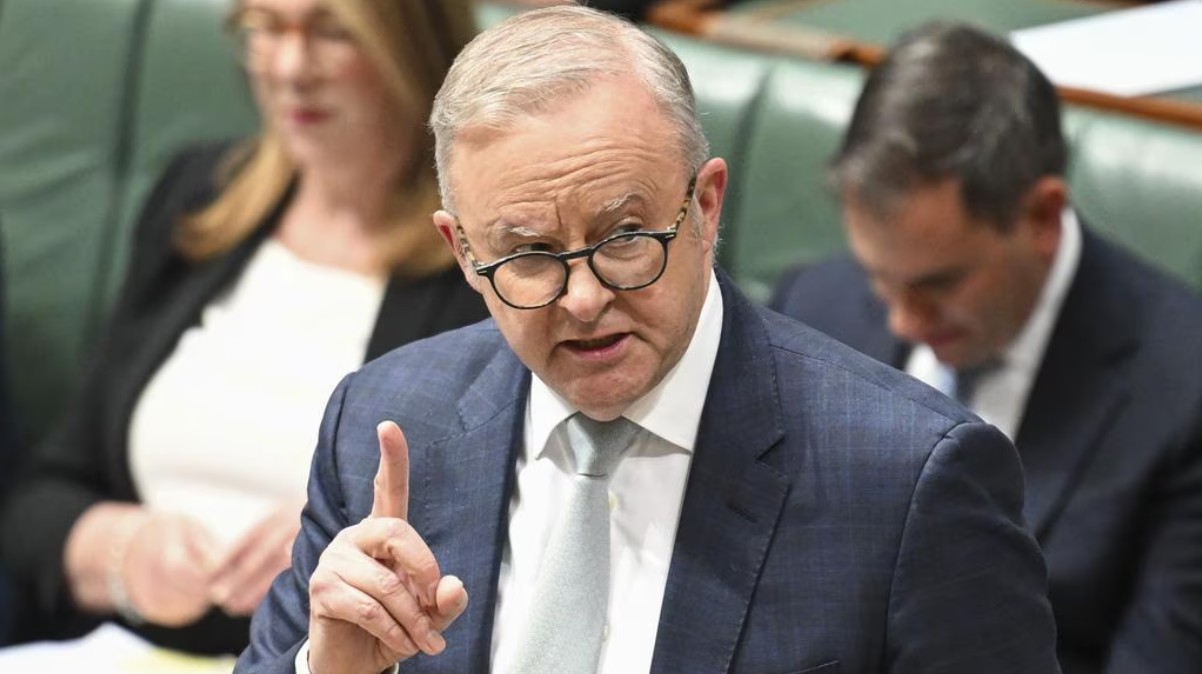
On Thursday, the 18th of September, Prime Minister Anthony Albanese announced the new 2035 climate target in Sydney. He was joined by Treasurer Jim Chalmers and Energy and Climate Change Minister Chris Bowen.
Albanese confirmed the government’s commitment to cutting emissions 62–70% below 2005 levels by 2035, framing this goal as the necessary balance between ambition and achievability.
The government argued that a higher target would be unrealistic, taking into account the fact that emissions have already fallen 28% since 2005 and will need to decline even more steeply over the next decade to meet the new target. Albanese explained that the new target reflects the Climate Change Authority’s advice, despite the fact that the Authority recommended a slightly higher range of 65–75%.
“We think we have a sweet spot that will be criticised by some who say it is too high, some who will say it is too low. What we have done is accept the Climate Change Authority’s advice.” -Albanese
The 2035 Targets Advice report, which was created by the Climate Change Authority in response to a request from Climate Change and Energy Minister Chris Bowen, lends credence to the government’s decision. The report states, “In summary, a target of 62–70% is ambitious, achievable, in Australia’s national interest, and is based on robust analysis of the best available evidence.”
The report also emphasises implementation pathways, stating: “Technologies now exist to meet an economy-wide 62–70% 2035 goal, mainly by:
- Transitioning to a renewables-based electricity system.
- Electrifying and improving the efficiency of transport and buildings.
- Improving the efficiency and emissions intensity of industry, mining and agriculture.
- Increasing land-sector carbon removals.”
The government argued that the new target is a commitment tied to economic opportunity. Albanese framed the transition to clean energy as a potential area of growth and not a burden. They have also implemented policies to support the new target, including a $5 billion fund to help decarbonise industrial facilities and a $2 billion boost to the Clean Energy Finance Corporation to stabilise power prices.
The government’s 62–70% pledge will form part of its updated Nationally Determined Contribution, ahead of COP31 in 2026, which Australia is due to co-host with Pacific partners.
Reactions to the new target have been mixed. Supporters welcome the certainty for investment and jobs in green industries, while critics argue it falls short of expert advice and the urgency demanded by climate science.
The Australian Council of Social Services (ACOSS) chief Cassandra Goldie expressed her disapproval with the new target and emphasised her discontent with the government’s approach, saying that it “falls dangerously short” and that “Without greater action, we will face more heatwaves, more floods, a higher cost of living, and deeper inequality.”
“The federal government is failing to do enough to protect all communities. The people who will bear the heaviest burden are those on low incomes, regional communities and First Nations peoples. People are suffering now.” -Goldie
Australia’s 2035 target will now guide national climate policy and planning as the country works toward its legislated goal of net zero emissions by 2050.
Discover more from Signal News Sydney
Subscribe to get the latest posts sent to your email.