Society
South Australia’s Single-use Plastic Ban – What to Expect
SA’s track record of spearheading environmental reforms continues, plastic soy sauce fish on the chopping block

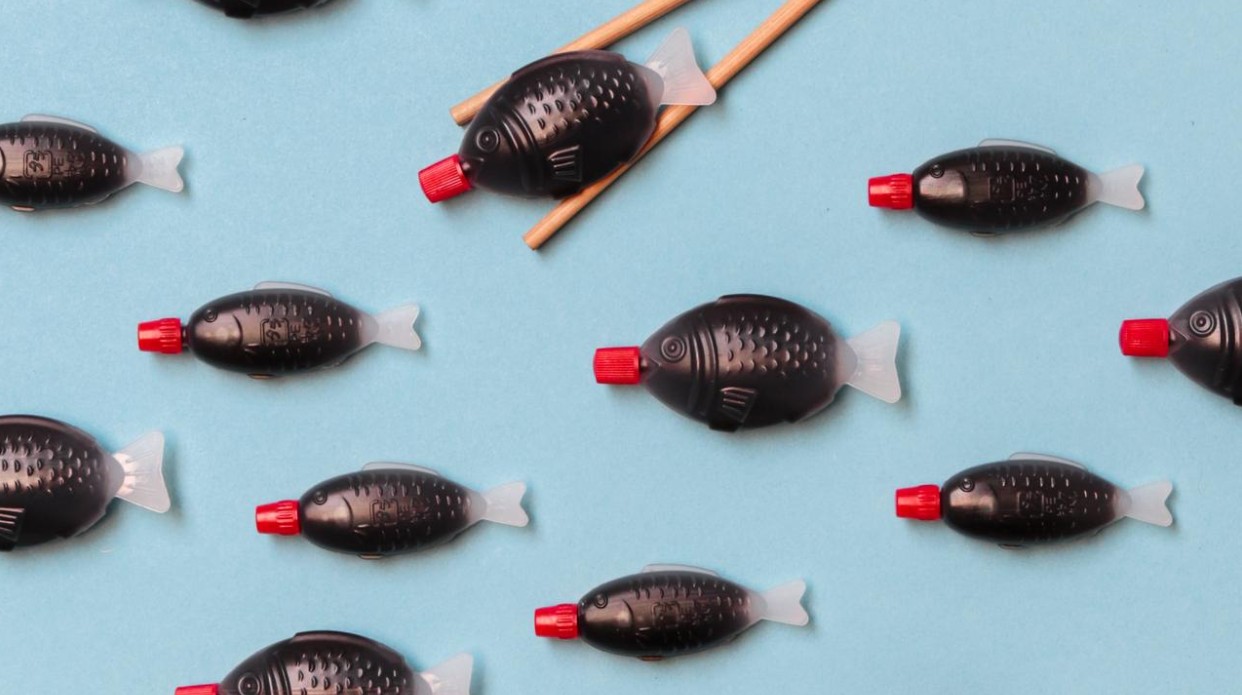
As South Australia proceeds with its ban on single-use plastics, will other states follow?
Earlier this week, the beloved plastic soy sauce fish was banned from distribution in South Australia. This iconic vessel has been a staple in takeaway joints all across the country, but while the ban has caused some public outcry, it is a necessary sacrifice for the sake of broader environmental reform.
In 2020, the South Australian Parliament passed the Single-use and Other Plastic Product (Waste Avoidance) Act 2020. The legislation is historic and is labelled a positive step towards reducing pollution, cutting carbon emissions and protecting our oceans and their unique marine life. This act has already outlawed food products that were once staples of pollution, including disposable cutlery, stirrers and food containers. Last September saw the biggest crackdown, wherein the state banned several environmentally-unfriendly items, including supermarket-standard disposable plastic bags, single-use plastic beverage containers, and expanded polystyrene (EPS) trays, commonly used for meat.
The legislation encourages the people of South Australia to turn to reusable and recyclable alternatives. The soy sauce fish are not only single-use, but they are made from ‘harsh’ plastics that can remain in the environment for decades if littered, reduced to pollutants for local fauna and flora. Even if properly disposed of, the containers often struggle to be properly recycled, due to their small size. South Australian businesses have already begun to offer replacements for the fish, including reusable soy sauce dispensers and small soft plastic sachets of the type that are already widely used for condiments.
“If it hasn’t already been broken down into microplastics yet and it’s floating around in its whole form, then other organisms that eat fish that size could think it is a fish and then eat it.” – Dr Nina Wootton, Marine Ecologist at University of Adelaide.
South Australia has spearheaded many plastic waste reforms that set the trend for nationwide action. In 2009, it was the first state to issue a blanket ban on single-use plastic bags.
After that, it didn’t take long for other states to begin adopting the bag ban. ACT and the Northern Territory issued their bans in 2011, and Tasmania followed in 2013. Victoria was the next state to introduce its plans in 2017, followed by Queensland and Western Australia in 2018. NSW was the last state, finally jumping on board in 2022. By that point, most supermarkets, most notably including Coles and Woolworths, had already implemented plastic bag-free policies.
Considering this pattern of other states following South Australia’s lead in plastic legislation, it is likely that other states might follow suit and prohibit the plastic soy sauce fish, as well as other pollutant-reducing measures.
South Australian Premier Peter Malinauskas is confident, stating, “what we see often when it comes to the outlawing of single-use plastics is one state will make an action and the rest will follow”. He continued, saying the state had a “proud tradition” of leading the nation in environmental reform.
“We know that plastics can play an important role in our economy and our society, but when they’re single-use, they’re often going directly to waste.” – Malinauskas
On the South Australian government’s Replace the Waste site, they outline the future of the initiative. Some of their planned next steps include banning plastic barrier bags used for unpackaged products and plastic fruit stickers.
So far, no other state has made a clear statement regarding whether they will follow South Australia on this ban. A spokesperson for the ACT has stated that the territory is committed to phasing out ‘problematic waste’. but also expressed that the soy sauce containers were not currently under consideration for a ban.
Sources:
- The ABC (September 1, 2025). Nation-first ban on fish-shaped plastic soy sauce containers begins in SA, The ABC
https://www.abc.net.au/news/2025-09-01/fish-shaped-soy-sauce-containers-banned-from-in-sa/105719368
Christian, N. (April 4, 2018). Taxes, fines and jail time: The strictest plastic bag laws around the world, SBS News
https://www.sbs.com.au/news/article/taxes-fines-and-jail-time-the-strictest-plastic-bag-laws-around-the-world/5guqc0nmo
Close-Brown, E. (August 31, 2025). Australian ban on fish-shaped plastic soy sauce dispensers a world first, The Guardian.
https://www.theguardian.com/australia-news/2025/aug/31/south-australia-bans-soy-sauce-fish-packets-in-world-first-to-cut-single-use-plastics
Nesta Kupemba, D. (September 1, 2025). Australian state to ban iconic fish-shaped soy sauce bottles, The BBC.
https://www.bbc.com/news/articles/c1ejwgq3zw0o
Marine Conservation. (September 1, 2024). Which Australian states are banning single-use plastics?, Marine Conservation. Retrieved September 1, 2025, from
https://www.marineconservation.org.au/which-australian-states-are-banning-single-use-plastics/
Replace the Waste. (n.d.). Single‑use plastics legislation explained. Green Industries SA. Retrieved September 1, 2025, from
https://www.replacethewaste.sa.gov.au
Discover more from Signal News Sydney
Subscribe to get the latest posts sent to your email.